Social Media Marketing Guide 2025
Social Media Marketing (SMM) is all about leveraging social media platforms to promote a brand, product, or service while connecting with the right audience. It’s a fantastic way for businesses to share their message, foster relationships, and drive traffic by delivering valuable and engaging content across various social networks.
The main aim of social media marketing is to boost brand awareness, engage users, generate leads, and drive conversions by reaching people where they already spend a lot of their time online.
SMM is a fundamental aspect of digital marketing and can be utilized by businesses of any size and in any industry. Whether a company is selling products, offering services, or sharing knowledge, social media enhances online visibility and audience engagement.
The more robust and consistent a brand’s presence on social media, the higher the chances that users will discover, trust, and interact with it.
This guide will walk you through what social media marketing is, how it operates, and why it’s crucial in 2025.
How Social Media Marketing Works
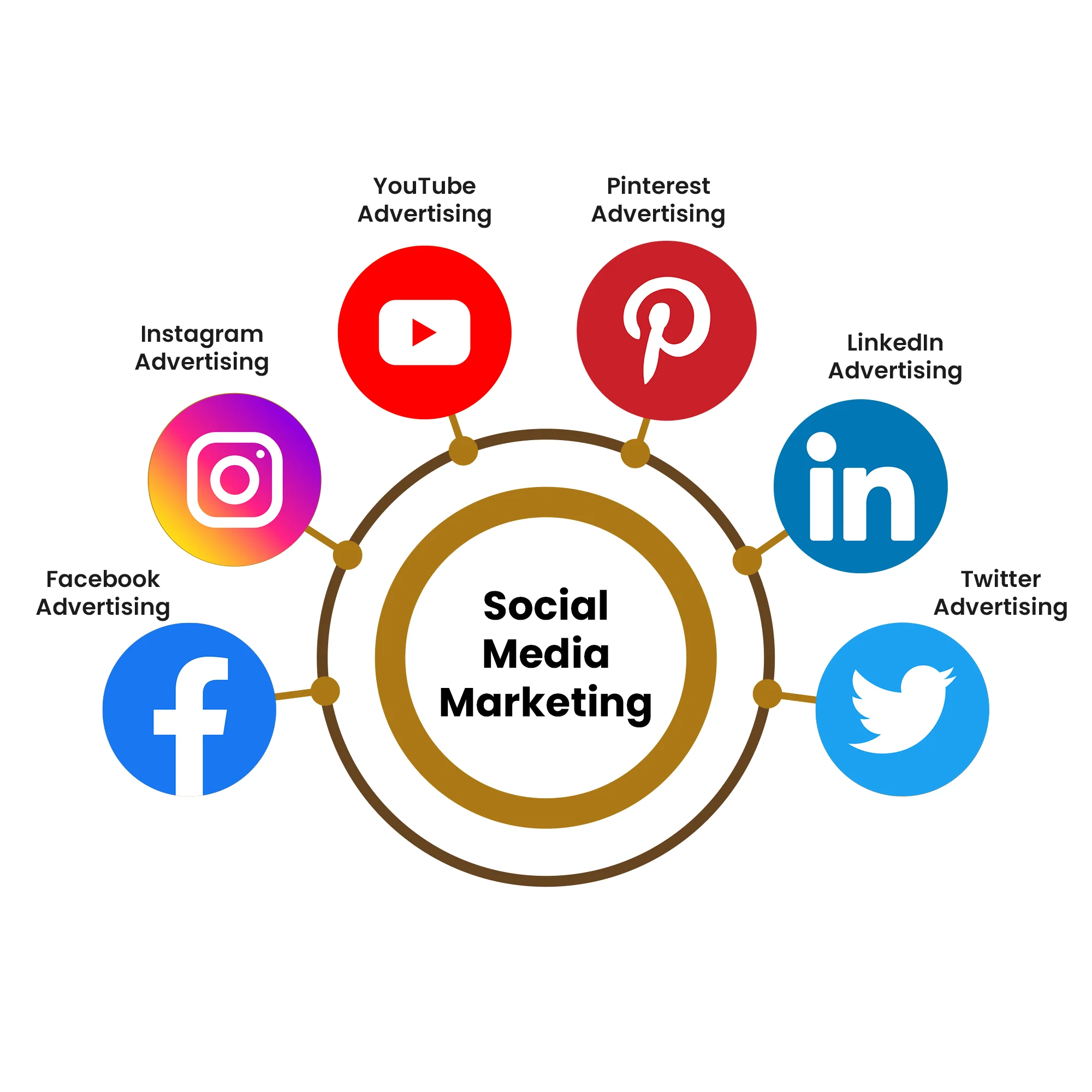
Social media marketing functions by creating, publishing, and promoting content on platforms like Facebook, Instagram, LinkedIn, Twitter (X), and YouTube. Businesses often blend organic content with paid advertising to target specific audiences based on demographics, interests, and behaviors.
Content can take many forms, including posts, images, videos, reels, stories, and live sessions. Success is measured through metrics like reach, engagement, clicks, conversions, and audience growth.
With the surge in mobile usage, most social media interactions now occur on smartphones. User behavior has evolved too, with short-form videos, real-time interactions, and personalized content becoming increasingly important.
Artificial intelligence (AI) has become a key player in social media marketing, helping platforms tailor feeds, optimize ads, and recommend content based on user preferences
Social Media Marketing Platforms
Each social media platform has its own unique vibe and purpose. Facebook is a go-to for building communities and running ads. Instagram shines when it comes to visual storytelling, showcasing everything through images, reels, and stories. LinkedIn is the place for B2B marketing, professional networking, and businesses in the IT or service sectors. Twitter (X) is all about real-time updates and engaging with your audience. And let’s not forget YouTube, which is a powerhouse for video marketing, education, and longer content.
Picking the right platform really hinges on your business goals, the industry you’re in, and who your target audience is.
How Is Social Media Marketing Different From Digital Advertising and Influencer Marketing?
Understanding the distinction between social media marketing and other forms of marketing is crucial.
Social media marketing is a broad field that encompasses creating content, engaging with the community, building your brand, and running paid promotions. On the other hand, digital advertising is primarily about paid campaigns aimed at driving immediate traffic or conversions. Influencer marketing is a specific tactic within social media marketing where brands team up with influencers to showcase their products or services.
To put it simply:
Social media marketing is all about fostering long-term brand growth and engagement.
Paid advertising is geared towards quick visibility and immediate results.
Influencer marketing builds trust and expands reach through creators.
The best results come when all three strategies are used in harmony.
Organic vs. Paid Social Media Marketing
Organic social media marketing is all about sharing free content like regular posts, stories, reels, and engaging with your audience. It’s a great way to build trust, establish your brand identity, and nurture long-lasting relationships.
On the flip side, paid social media marketing involves running ads to target specific audiences. Businesses invest in promoting posts, generating leads, or boosting conversions. Paid campaigns can deliver quicker results and allow for precise targeting.
Both organic and paid social media marketing strategies complement each other beautifully. Organic efforts build credibility, while paid strategies help scale and enhance performance.