What Is PPC (Pay-Per-Click)?
PPC, or Pay-Per-Click, is a digital advertising strategy that allows businesses to display their ads on search engines and other online platforms, charging them only when a user clicks on their ad.
This method enables advertisers to connect with users who are actively searching for products, services, or information. Ads are shown based on specific keywords, user intent, location, device, and online behavior, making PPC one of the most targeted and measurable forms of digital marketing.
The primary goal of PPC is to appear at the top of search engine results pages (SERPs) and other digital platforms, driving high-quality traffic and generating leads or sales quickly.
PPC is a core digital marketing practice and works closely with Search Engine Optimization (SEO) to maximize online visibility.
Platforms such as Google Ads and Microsoft Advertising allow businesses to reach users through search, display, video, and shopping ad networks.
This guide explains what PPC is, how it works, and what to expect from paid advertising in 2025.
How PPC Has Evolved Over Time
As technology evolves, PPC advertising has become more advanced. Modern ad platforms now rely on automation, machine learning, audience signals, and artificial intelligence (AI) to improve performance.
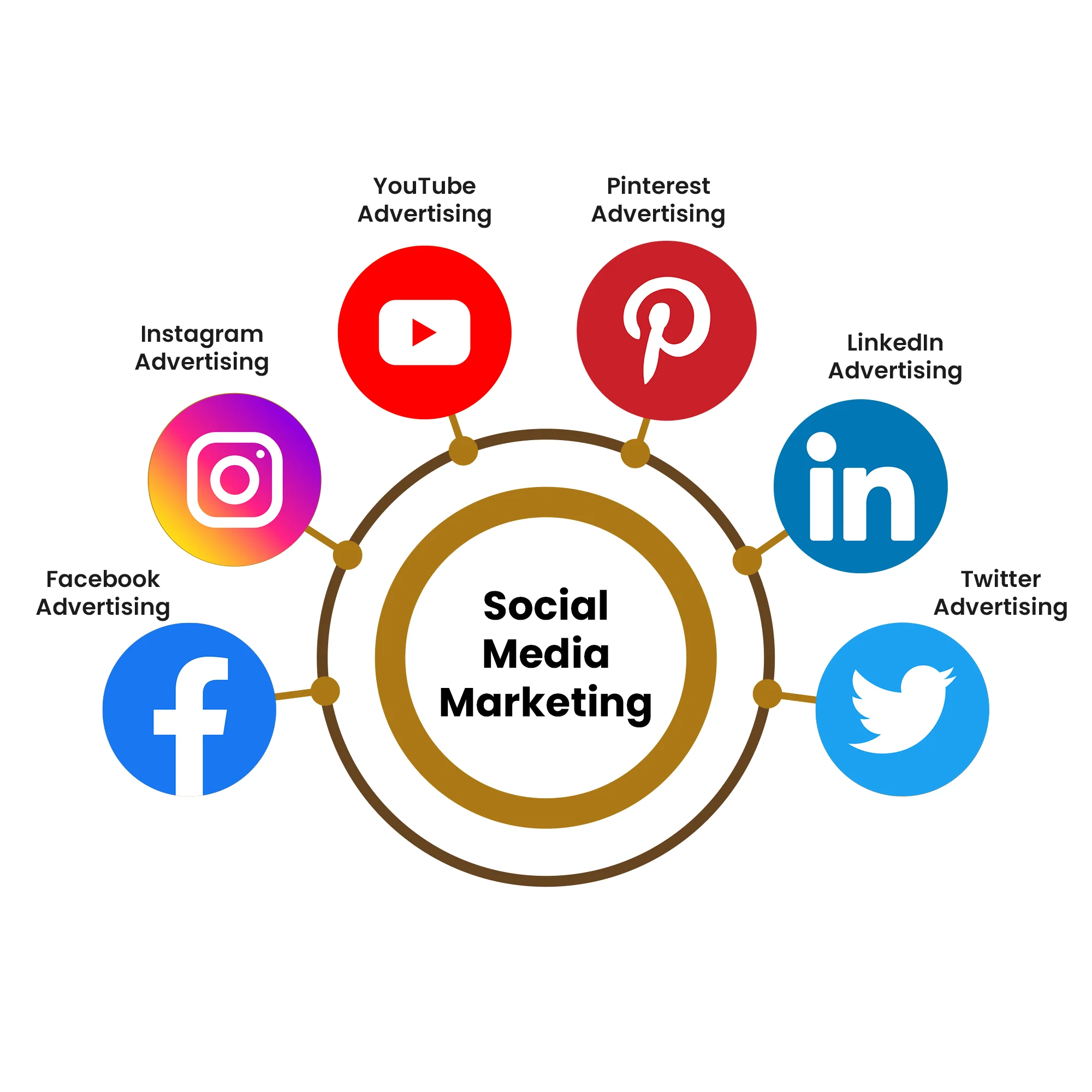
PPC ads now appear in multiple formats such as text ads, shopping ads, display banners, video ads, app ads, and performance-based campaigns. Many of these formats also integrate with social media marketing strategies.
Searches can be typed, voice-based, image-based, or AI-assisted, and clicks may be taps on mobile devices or interactions inside apps and social platforms.
PPC vs. SEM
SEM stands for Search Engine Marketing. It is an umbrella term that includes both organic and paid strategies to drive traffic from search engines.
To understand this better, read our detailed guide on Search Engine Marketing (SEM).
- SEO: Drives organic traffic from search engines
- PPC: Drives paid traffic through advertisements
- SEM: Combines both SEO and PPC strategies
Think of SEM as a coin — one side represents SEO and the other represents PPC.
PPC vs. SEO
SEO focuses on optimizing websites to rank organically, while PPC focuses on paid placements that deliver immediate results.
Learn more about long-term organic growth in our SEO guide.
With PPC:
- Advertisers pay only when a user clicks on the ad
- Results are fast and easy to measure
With SEO:
- Traffic is earned organically
- Results take time but provide long-term visibility
The most successful marketing strategies use both SEO and PPC together to improve reach, traffic, and ROI.
How PPC Works
PPC advertising works on an auction-based system. Advertisers bid on keywords, and when users search for those terms, an auction determines which ads appear and in what position.
Ad placement depends on:
- Keyword relevance
- Bid amount
- Ad quality score
- Landing page experience
Advertisers are charged only when a user clicks on their ad, making PPC a cost-controlled and performance-driven advertising model.